Table of Contents
If you’re setting up or expanding a warehouse, one of the most common questions is:
“How much pallet racking do I actually need?”
Ordering too little slows down operations. Ordering too much wastes money and space.
This guide will walk you through exactly how to calculate how many pallet rack bays you need, using real-world warehouse examples.
What Is a Pallet Rack Bay?
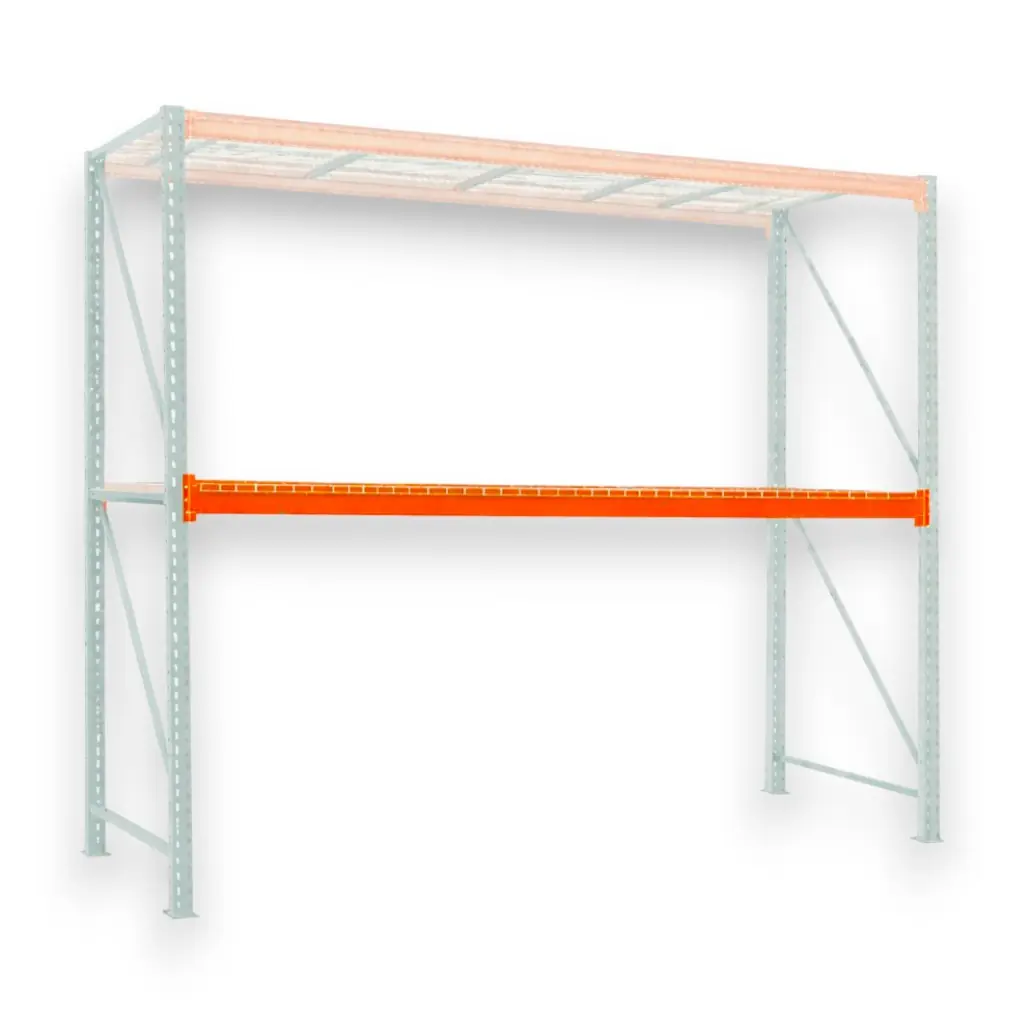
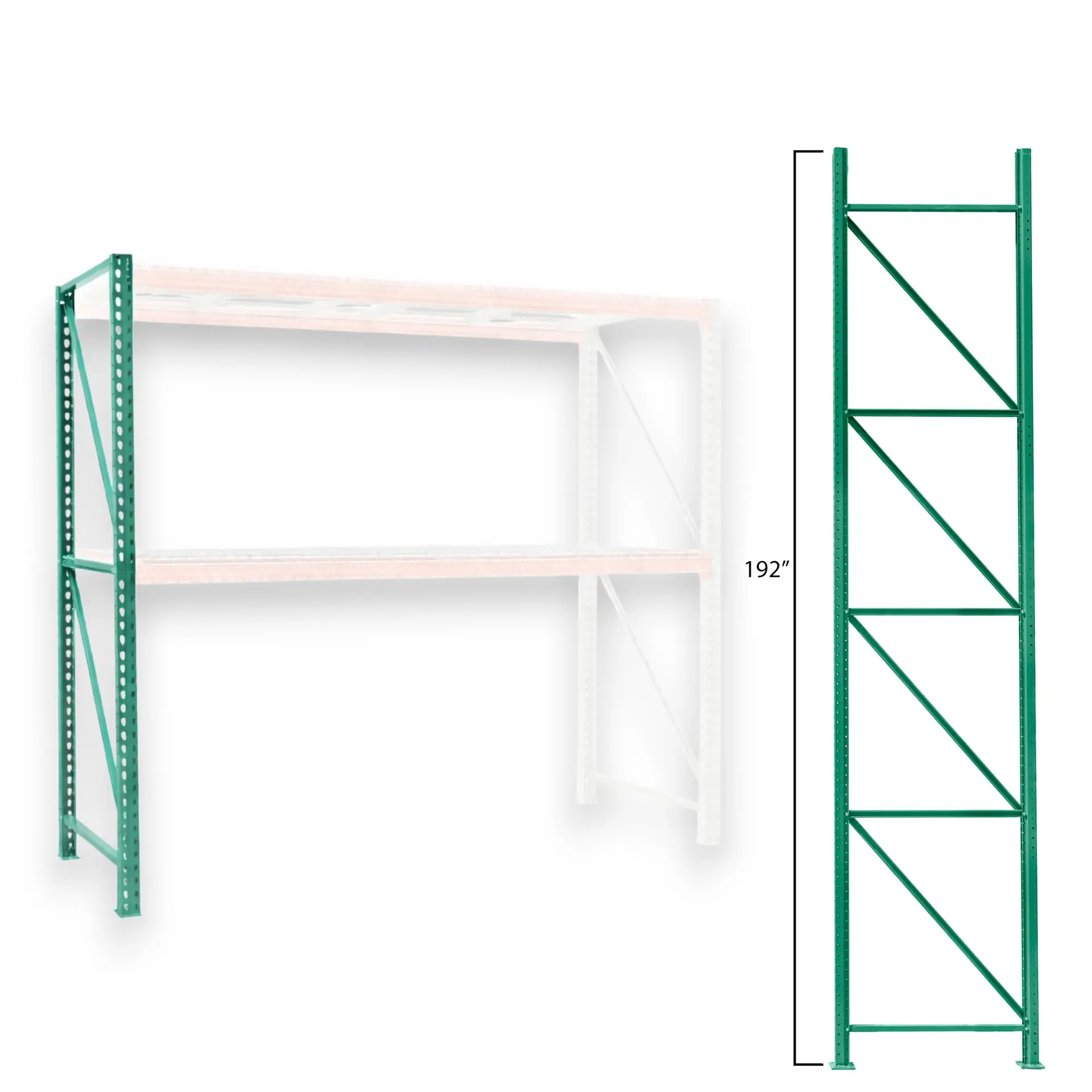
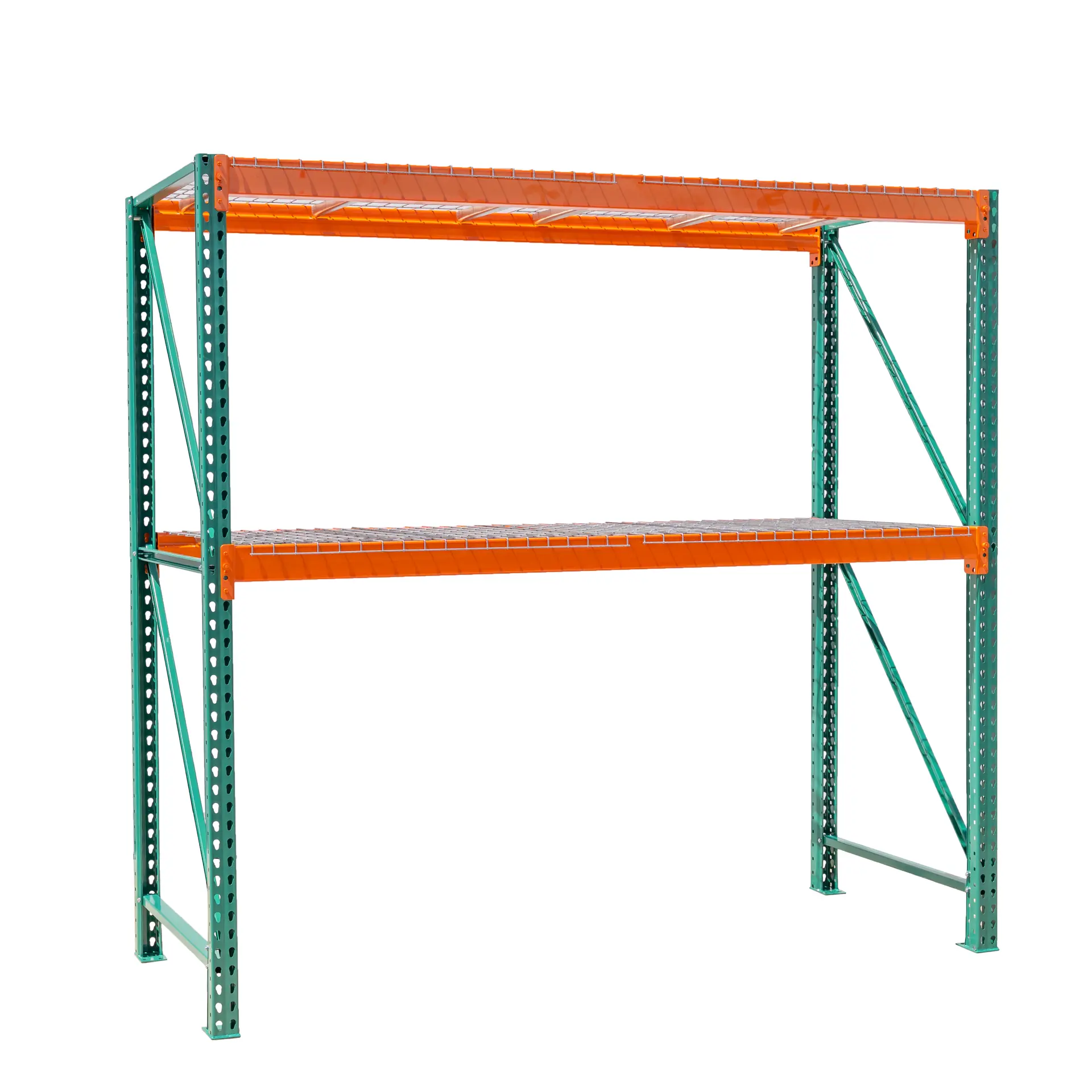
A pallet rack bay is one section of racking between two upright frames.
Typical setup:
- 2 uprights
- 2 beams per level
- Holds 2 standard pallets (on a 12 ft beam)
👉 This is your basic unit when planning a warehouse layout.
Step 1: Count Your Total Pallets
Start with:
- Total number of pallets you currently store
- Add expected growth (recommended: +20–30%)
Example:
- Current pallets: 80
- Growth buffer: 20%
- Total needed: 96 pallets
Step 2: Determine Pallets Per Bay
This depends on your beam size:
- 8 ft beams → typically 1–2 pallets
- 12 ft beams → typically 2 pallets
- 16 ft beams → typically 3 pallets
👉 Most standard warehouses use 12 ft beams (2 pallets per level)
Step 3: Decide How Many Levels You Need
This depends on:
- Ceiling height
- Forklift reach
- Safety clearance
Typical setups:
- 8 ft rack → 2 levels
- 12–16 ft rack → 3–4 levels
Example:
- 3 levels per bay
- 2 pallets per level
= 6 pallets per bay
Step 4: Calculate Total Bays Needed
Now the simple formula:
Total Pallets ÷ Pallets Per Bay = Total Bays
Example:
- 96 pallets ÷ 6 pallets per bay
= 16 bays needed
Step 5: Account for Aisle Space
This is where most people mess up.
You also need space for:
- Forklift aisles (typically 10–14 ft)
- Walkways
- Loading/unloading areas
👉 A good rule:
Only about 60–70% of your warehouse will actually be used for racking.
Step 6: Factor in Layout Type
Different layouts change how many bays you need:
- Selective racking (most common)
- Easy access, more aisles, more space needed
- Double-deep racking
- More storage, less accessibility
- Drive-in racking
- Maximum storage, limited access
👉 Most of your customers will use selective racking, so keep your calculations based on that unless specified.
Real-World Example
Let’s break down a typical setup:
- 100 pallets total
- 12 ft beams (2 pallets per level)
- 3 levels high
Each bay holds:
- 6 pallets
Calculation:
- 100 ÷ 6 = ~17 bays
👉 Round up to 18 bays to allow extra space and flexibility
Common Mistakes to Avoid
- Not planning for growth
- Ignoring aisle space
- Choosing the wrong beam size
- Overbuilding and wasting space
- Not considering forklift limitations
How to Get the Most Out of Your Space
If you want to maximize storage:
- Use taller uprights (if ceiling allows)
- Optimize aisle spacing
- Standardize pallet sizes
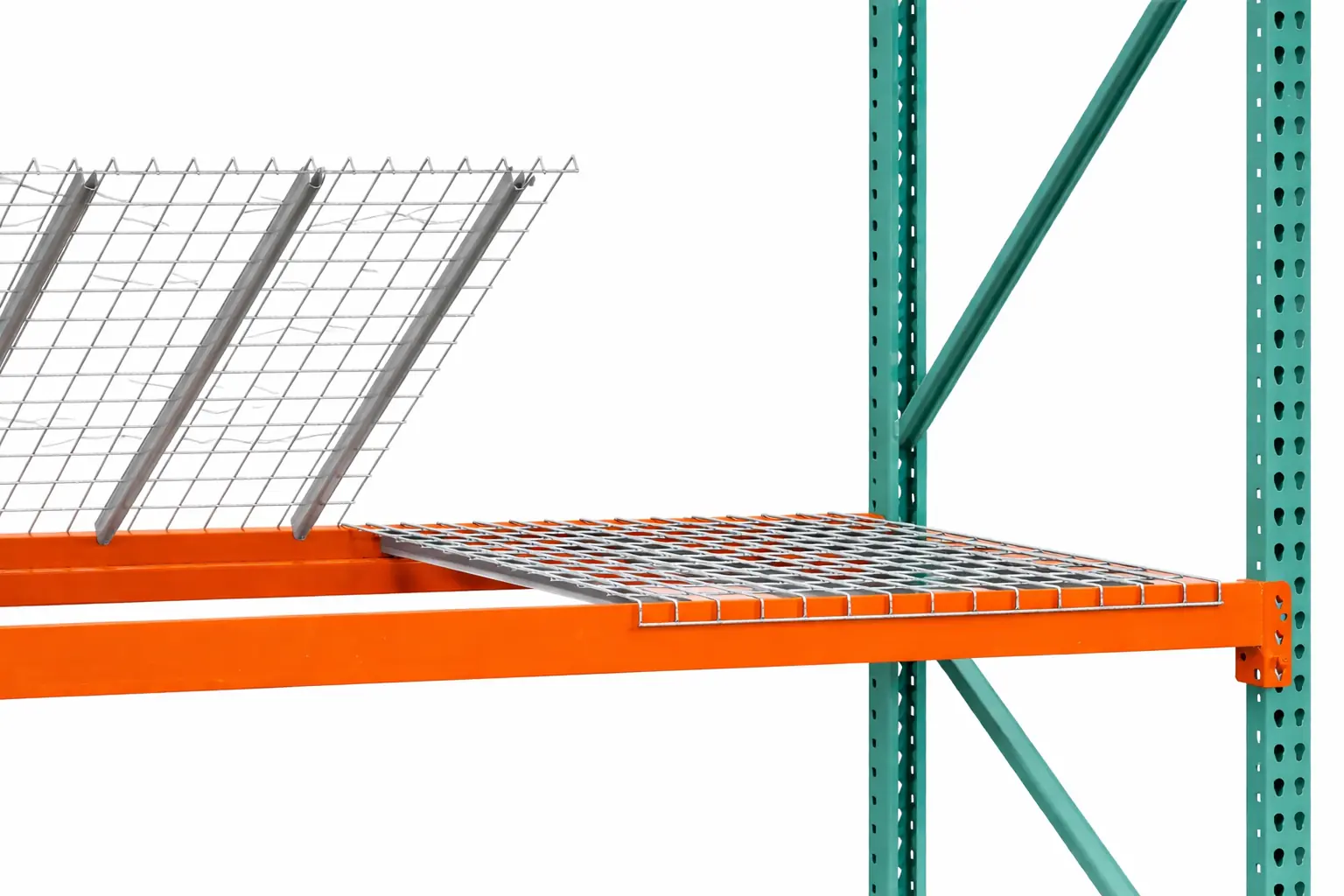
- Use wire decking for flexibility
Need Help Designing Your Layout?
At BL Pallet Racking, we help businesses design layouts based on:
- Actual pallet counts
- Warehouse dimensions
- Equipment and workflow
We offer:
- Layout planning
- Installation
- New and used pallet racking
- Fast delivery and local pickup
👉 Reach out for a quote and we’ll help you map out exactly what you need.